

Hidden crafts with meaning, memory, and restraint.
When travelling, the most meaningful souvenirs are rarely the loudest. They are the pieces that carry a story, a sense of place and the quiet beauty of craftsmanship. Chiang Mai, long celebrated as Thailand’s creative heartland, offers far more than novelty souvenirs. Look a little deeper and you will find objects shaped by tradition, patience and human hands.
Handwoven Textiles with a Sense of Origin
Northern Thailand is home to weaving traditions that are deeply tied to village life, identity and ritual. Rather than mass-produced scarves, seek out handwoven textiles created by small community groups in and around Chiang Mai.
These pieces are often made using natural fibres and traditional looms, resulting in subtle irregularities that speak to their handmade nature. Colours tend to be earthy and restrained, designed for daily use rather than display. A table runner, cushion cover, or lightweight shawl can easily find a place back home, carrying with it the rhythm of slow, intentional craftsmanship.
What makes these textiles special is not just how they look, but where they come from. Many weavers are continuing techniques passed down through generations, and purchasing directly from village cooperatives helps sustain both craft and community.
Where to find them:
• San Kamphaeng Hot Springs / Handicraft Village – a cluster of artisan workshops and weaving cooperatives just outside Chiang Mai
• Warorot Market (Kad Luang) – a historic local market offering a wide range of Northern Thai textiles and traditional fabrics
Mulberry Bark Paper, Quietly Beautiful
Known locally as sa paper, mulberry bark paper has been produced in Northern Thailand for centuries. Traditionally used for lanterns, umbrellas, and manuscripts, it is still crafted by hand using methods that are both labour-intensive and environmentally gentle.
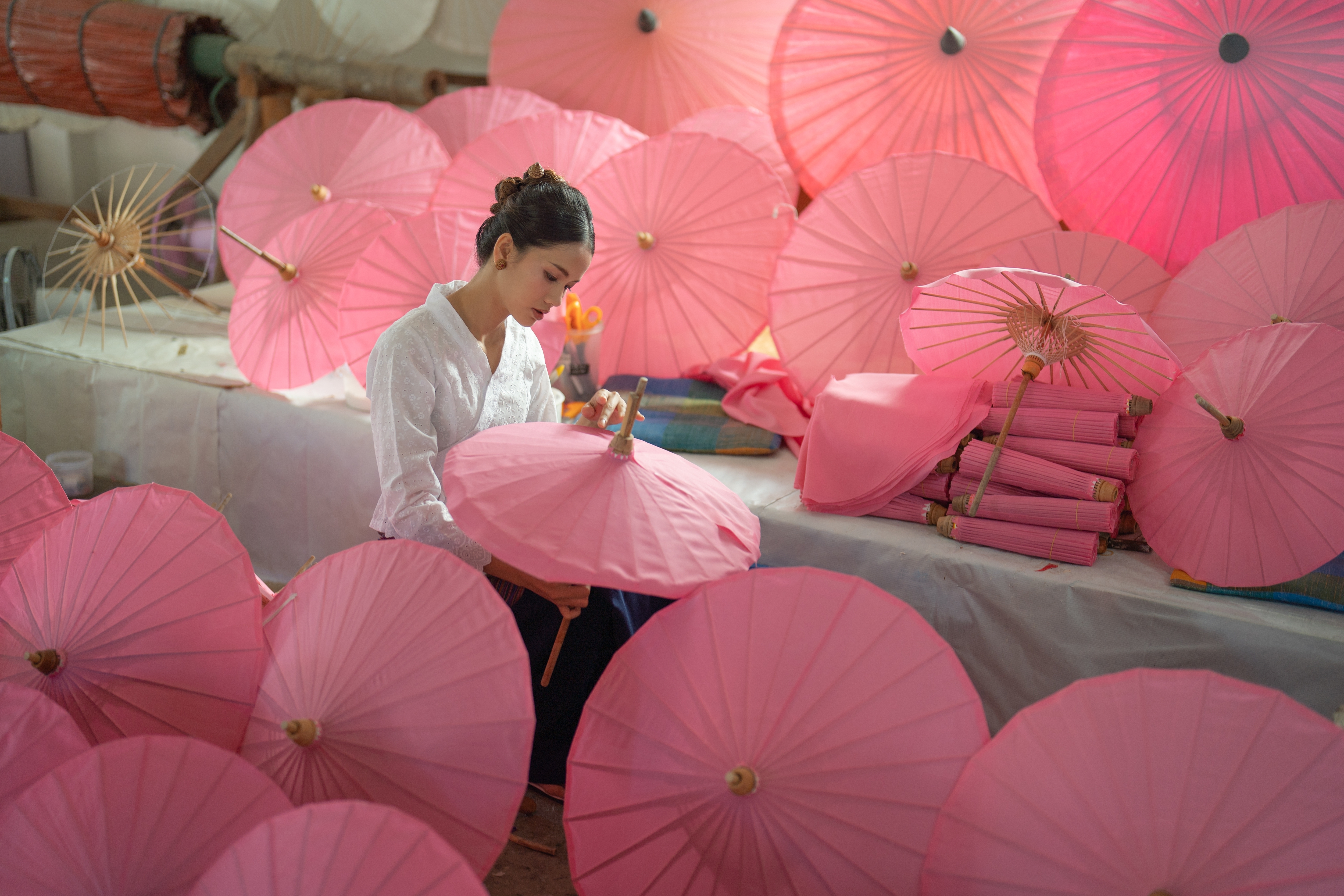
Unlike glossy stationery, sa paper has a soft texture and a natural warmth. Its beauty lies in its imperfections: faint fibres, uneven edges, and muted tones. Consider notebooks, simple prints, or small decorative pieces that allow the material itself to take centre stage.
These items make thoughtful gifts, especially for those who appreciate objects that feel calm, tactile, and timeless. They are light to carry, easy to pack, and rich in cultural context.
Where to find it:
• Bo Sang Umbrella and Sa Paper Handicraft Centre – the main craft village for traditional sa paper and umbrella making near Chiang Mai
Ceramics Made for Everyday Living
In Northern Thai homes, ceramics are not ornamental. They are used daily, valued for their durability and understated elegance. Small bowls, cups, and dishes are often finished in natural glazes inspired by earth, ash, and stone.
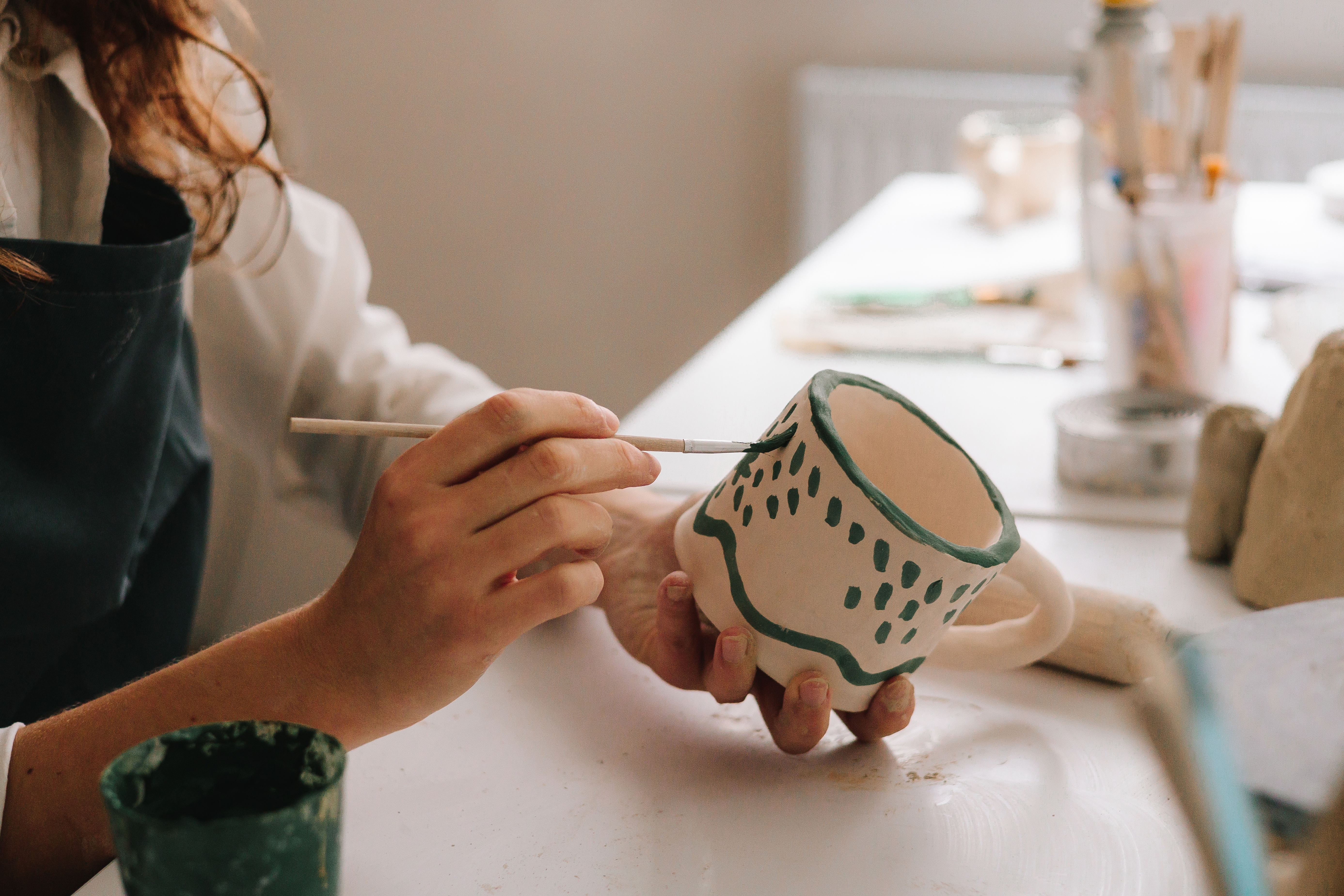
Rather than elaborate designs, these pieces favour balance and proportion. They are made to be held, used, and lived with. Bringing one home is less about display and more about introducing a quiet ritual into everyday life.
When chosen carefully, a single ceramic piece can serve as a reminder of Chiang Mai each time it is used, whether for morning tea or an evening meal.
Where to find them:
• Ceramic workshops around Chiang Mai – small studios across the city offering hands-on workshops and locally made ceramic pieces.
Why These Souvenirs Matter
These crafts resonate because they are not made to impress at first glance. They reveal themselves slowly, much like Chiang Mai itself. They reward curiosity, patience and appreciation for detail.





Share-
-
-
URL copied to your clipboard