

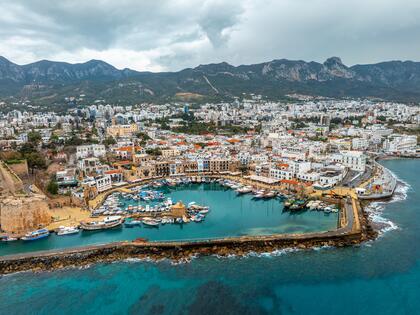
Kyrenia Castle stands guard at the eastern end of the town's horseshoe harbour, its honey-coloured walls rising straight from the water. It is the first thing most visitors notice when they arrive, and it holds one of the Mediterranean's most remarkable treasures: a merchant ship that sank more than 2,300 years ago. A visit takes in both, on a single ticket, and it is one of the highlights of any trip to the north coast of Cyprus.
The castle's story spans many centuries and many rulers. A fortress stood here in Byzantine times, and the small Church of St George inside the walls may date from the 11th or 12th century, with Roman columns reused in its design. The Lusignan kings later strengthened the site, and in the 16th century the Venetians rebuilt it into the massive fortress seen today, adding thick walls and round towers to withstand cannon fire. The Ottomans took the castle in 1570, and over the years it has served as a garrison, a prison and a storehouse. Today, visitors can walk the ramparts, step into towers and dungeons, and look down over the harbour from the battlements.
The real surprise lies in a hall off the castle courtyard. Here, the Shipwreck Museum displays the Kyrenia Ship, a Greek trading vessel from the late 4th century BC. It is one of the oldest ships ever recovered from the sea. A local diver spotted the wreck during a storm in 1965, and an international team of archaeologists raised it between 1967 and 1969. More than half of the original hull timbers survived, which is rare for a ship of this age.
The ship was small, around 14 metres long, and was sailed by a crew of just four. It carried hundreds of wine amphorae, along with millstones and almonds, and sank off Kyrenia around 294 BC after a long working life. Standing beside its reassembled hull, you can see the shape of the vessel and the cargo it carried, along with everyday objects from the crew's cabin. A full-size replica, Kyrenia II, was built in the 1980s and proved the design could still sail.
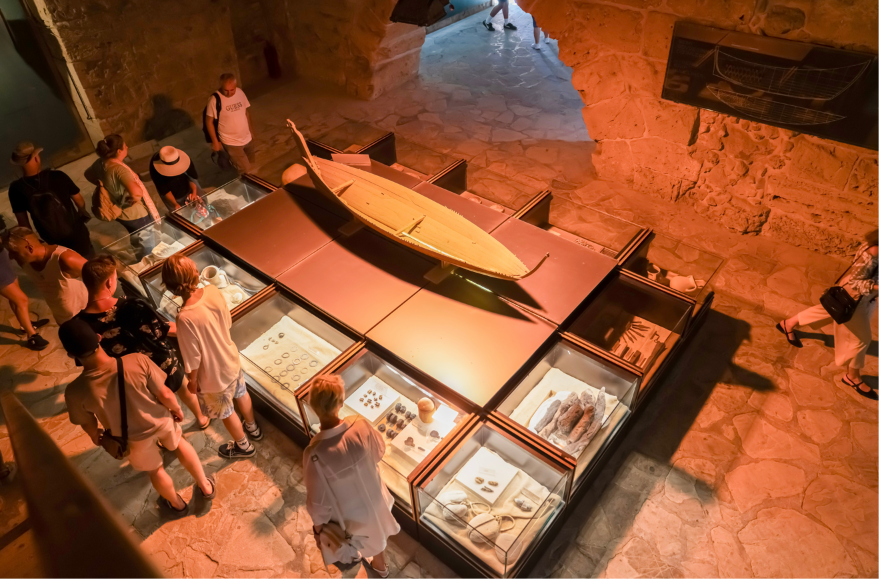
A little planning makes the visit easier. The castle is open daily, but hours change between summer and winter, so check the latest times before you go. One entrance ticket covers both the castle and the Shipwreck Museum, and the fee is modest, so it is worth having some Turkish lira in cash. Allow two to three hours to see everything without rushing. The ramparts involve uneven stone steps, so wear comfortable shoes. In summer, arrive early in the morning or later in the afternoon to avoid the midday heat. The museum hall is cool and shaded, which makes it a pleasant stop on a hot day.
The castle sits right beside the old harbour, so it is easy to pair a visit with a long lunch or a sunset dinner by the water. Bellapais Abbey and St Hilarion Castle are both a short drive into the hills, making it simple to build a full day of history around Kyrenia.
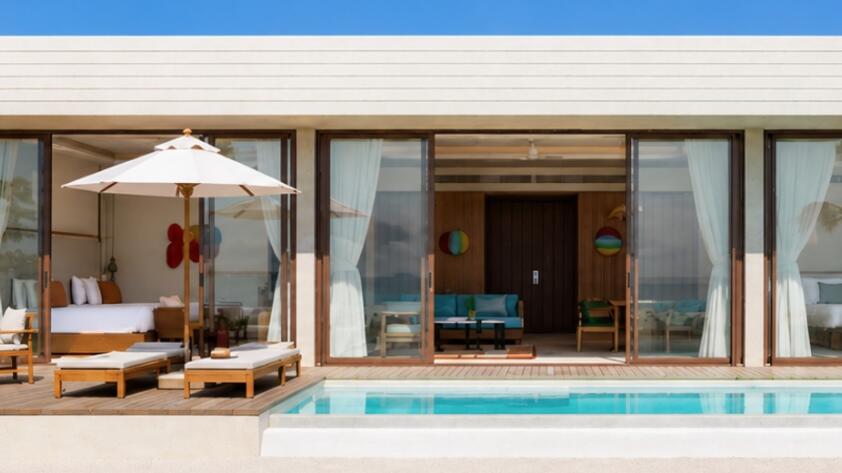
For a quieter base nearby, the coast east of Kyrenia offers space to slow down between outings. Centara Hill Town Hotel & Residences in Esentepe is a calm hillside retreat with sea views, an easy drive from the castle and harbour. Spend the morning among ancient timbers and medieval walls, then return to the peace of the coast as the day winds down.


Share-
-
-
URL copied to your clipboard