

At first glance, Nepal and Thailand seem worlds apart. One is landlocked, ringed by the highest peaks on Earth, where the air is thin and the rhythm of life is set by mountain seasons. The other is a tropical lowland nation of rice paddies, coastlines, and humid jungle heat. Yet, when you sit down at the table in each country, something curious happens and the flavours start to rhyme.
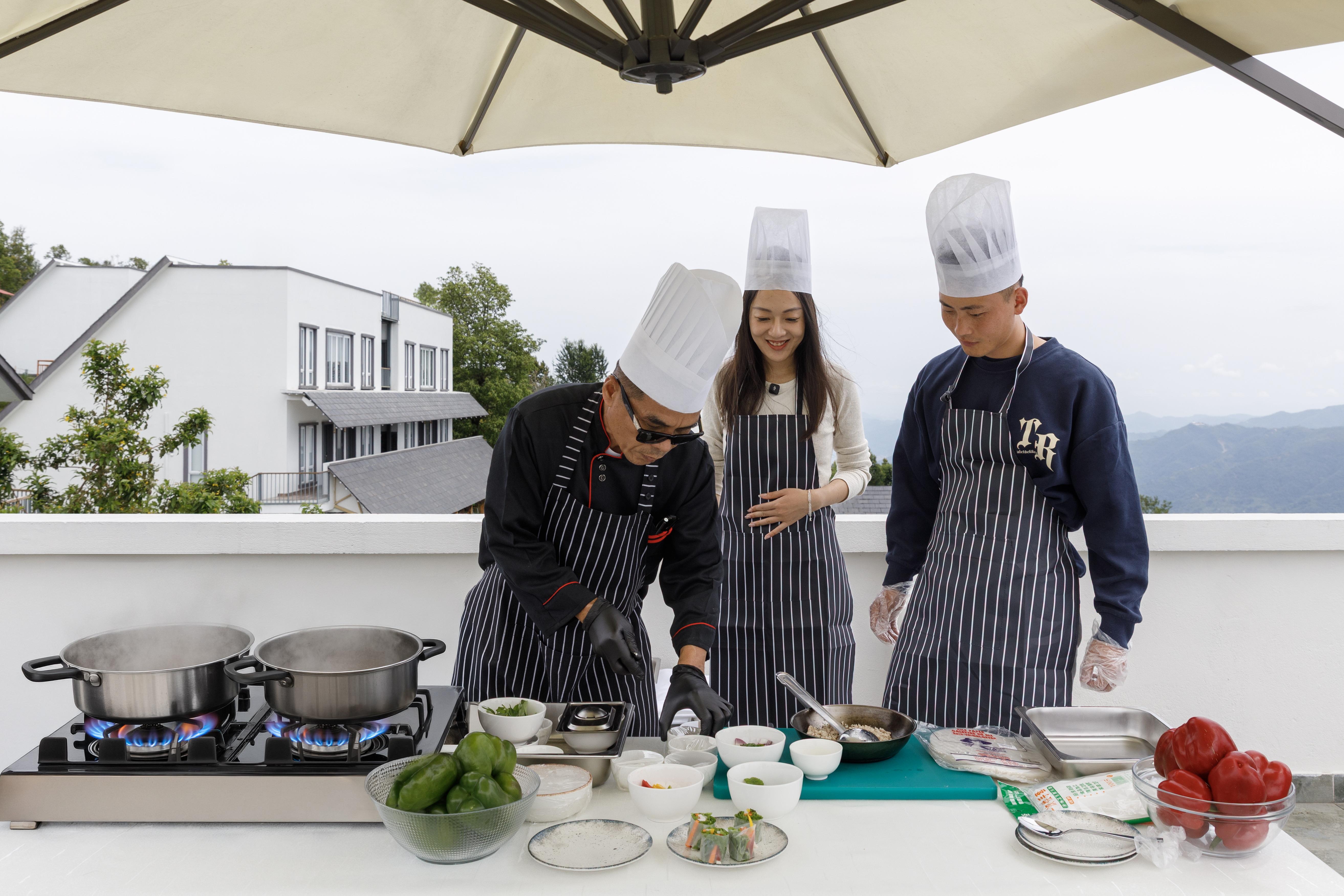
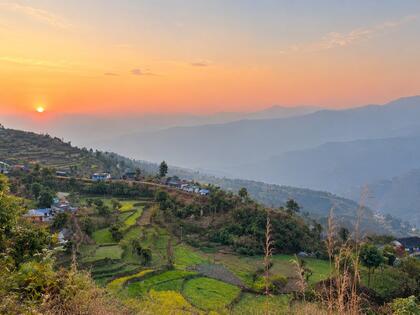
This is the story of two cuisines, born of very different landscapes, that somehow speak a strikingly similar culinary language. It is also the story of why, on a hilltop in Kaskikot overlooking the Annapurna range, an executive chef from Thailand is now reimagining both together, on one table.
The Aromatics: A Shared Foundation
Step into a kitchen in Kathmandu and a kitchen in Bangkok and you will hear the same opening notes; garlic hitting hot oil, ginger releasing its sharp perfume and onions softening slowly into the base of a dish.
Both Nepali and Thai cooking lean heavily on garlic, ginger and a variety of onions as foundational aromatics. In both cuisines, chilli is never far behind, used generously to build heat and depth. This shared aromatic backbone is part of what makes Nepali food feel instantly familiar to a Thai palate, and Thai food feel surprisingly close to home for a Nepali traveller abroad.
The reason for this convergence runs deeper than coincidence. Nepali cuisine has been shaped over centuries by trade and migration routes connecting it to Tibet and China, with dumplings passed down through ancient trading paths such as the Tea Horse Road. Thai cuisine, similarly positioned at a historic crossroads of Southeast Asia, absorbed waves of Chinese and regional culinary influence over its own long history. Both nations sit at the meeting point of great culinary trade winds and you can taste it.
Curry: The Common Thread
If there is one dish format that unites both kitchens, it is the curry.
Nepal's culinary repertoire includes a wide range of curries, Tarkari (vegetable curry), Khasi Ko Masu (spicy goat meat curry) and Kwati, a mixed bean soup built on a foundation of cumin, coriander, turmeric and garam masala that creates deep, aromatic savouriness. Thai curries build their complexity from a related but distinct toolkit; fresh galangal, lemongrass, garlic, shallots and coriander root form the backbone of Thai curry pastes, while coconut milk lends a rich, creamy texture that tempers the heat.
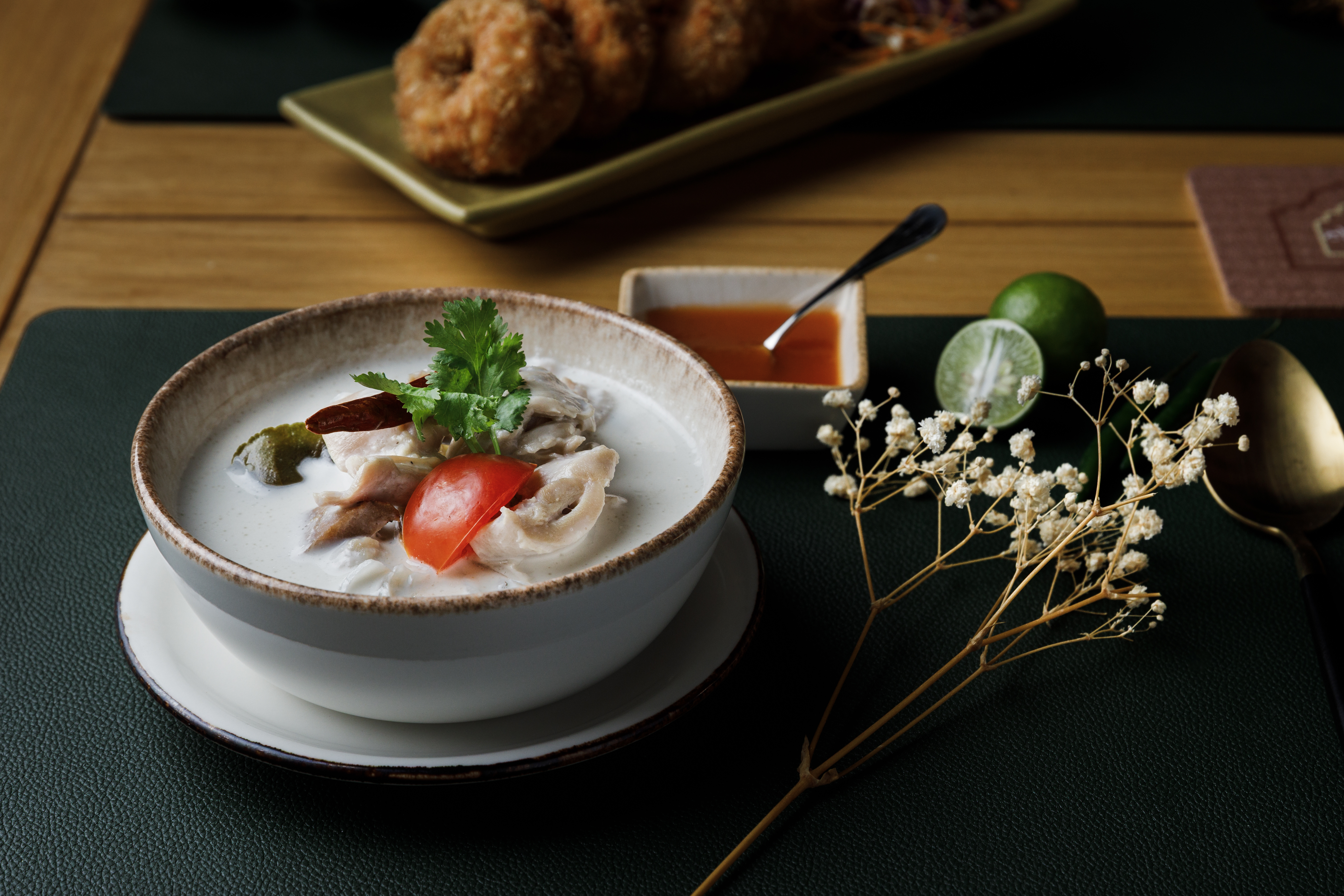
The technique of layering spice-forward sauces designed to be eaten with rice is something both nations have independently perfected, each bringing its own regional soul to the pot. Where Nepali curries often lean on ghee and a thinner, more rustic gravy, Thai curries tend to be richer and built on coconut milk, with a bolder use of chilli that places Thai food among the most fiery cuisines in the world.
Dumplings: Momo Meets Its Thai Cousin
Perhaps the most charming overlap between these two food cultures is the dumpling.
Nepali momos and Thai dumplings share remarkably similar foundations. Both rely on garlic, ginger, a mix of onions and chilli powder to build their filling, typically wrapped around minced chicken or pork. Where they part ways is in the finer details: Nepali momos traditionally include fenugreek seeds and fresh cilantro, served alongside a fiery tomato-cilantro chutney known as achaar, while Thai dumpling fillings often incorporate finely chopped celery and ground cumin for a more delicate balance of seasoning.
Both are considered a labour of love. In Nepali kitchens, dumpling-making is traditionally a two-person task; one person rolls and shapes the wrapper while the other prepares and places the filling; a quiet, communal ritual echoed in kitchens across Thailand, where dumpling-folding has long been a shared, almost meditative act.
Rice, Always Rice
In both Nepal and Thailand, rice is not simply a side dish ; it is the centre of gravity around which the entire meal orbits.
Rice, known locally as bhat, forms the staple base of Nepali cuisine, just as jasmine rice — aromatic, slightly nutty and faintly sticky once cooked anchors almost every Thai meal, soaking up sauces and tempering the heat of a fiery curry. The philosophy is the same in both cultures: rice as the calm, comforting counterpoint to bold, spice-driven dishes served alongside it.
Where the Two Cuisines Diverge — and Why That Makes Them Perfect Together
For all their similarities, Nepali and Thai food are not the same and the differences are precisely what make pairing them on one menu so compelling.
Nepali cooking tends to avoid cream and sugar, favouring a thinner gravy and a generally lighter profile, whereas Thai cuisine embraces sugar and sweetness as a core balancing element; particularly palm sugar used to offset the salty, sour, and spicy notes that define so many of its dishes. Nepali food, in fact, uses sugar far more sparingly during cooking than Thai cuisine does.
It is this contrast; Nepal's earthy, high-altitude simplicity meeting Thailand's bright, sweet-sour, coconut-rich boldness that creates such fertile ground for a chef who understands both traditions intimately.
A Mountain Kitchen Where Both Worlds Meet
This is exactly the philosophy now taking shape at Himalayan Hideaway Resort Pokhara, The Centara Collection.
Earlier this year, the resort welcomed Chef Thaksorn "Than" Sertsirikai as its new Executive Chef. A Thai culinary veteran with nearly four decades of international kitchen leadership, including senior roles at Centara properties in Thailand, and a recipient of the prestigious Iron Pan Chef award for Thai cuisine. His arrival marks a deliberate move by the resort to build a dining identity that is, in his own words, "both familiar and entirely new."
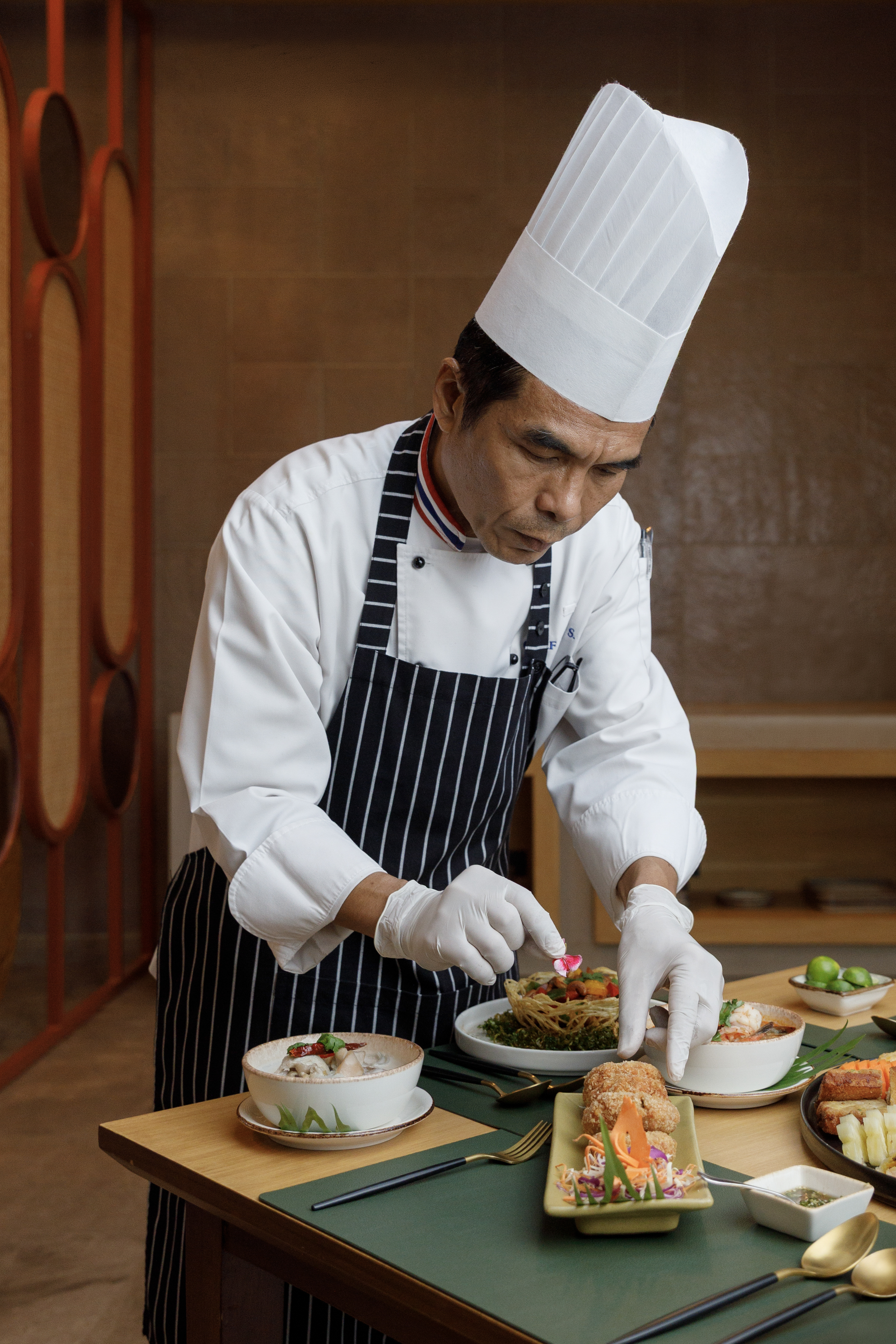
Rather than importing a purely Thai menu wholesale, Chef Than's approach is to weave authentic Thai technique together with Nepal's own remarkable pantry; timur pepper, fresh Himalayan herbs, seasonal mountain vegetables, and regional spices that have rarely been paired with Thai method before. It is, in many ways, a natural continuation of this very story where two cuisines that have always shared more than they realised, now meeting deliberately, on purpose, in one kitchen.
"I want to share my passion for Thai cooking with guests in Nepal," Chef Than has said of his new role, "and at the same time I am eager to learn from the incredible local ingredients and traditions around us to create something that is both familiar and entirely new."
Guests at the resort can expect exactly that: thoughtfully composed menus that place signature Thai specialities alongside reimagined Nepali classics, served across the resort's dining outlets with sweeping Himalayan views as the backdrop. It is, quite literally, a table where Mount Annapurna and the Gulf of Thailand meet — one curry, one dumpling, one shared bowl of rice at a time.





Share-
-
-
URL copied to your clipboard